
Heavy Equipment Unit Converter
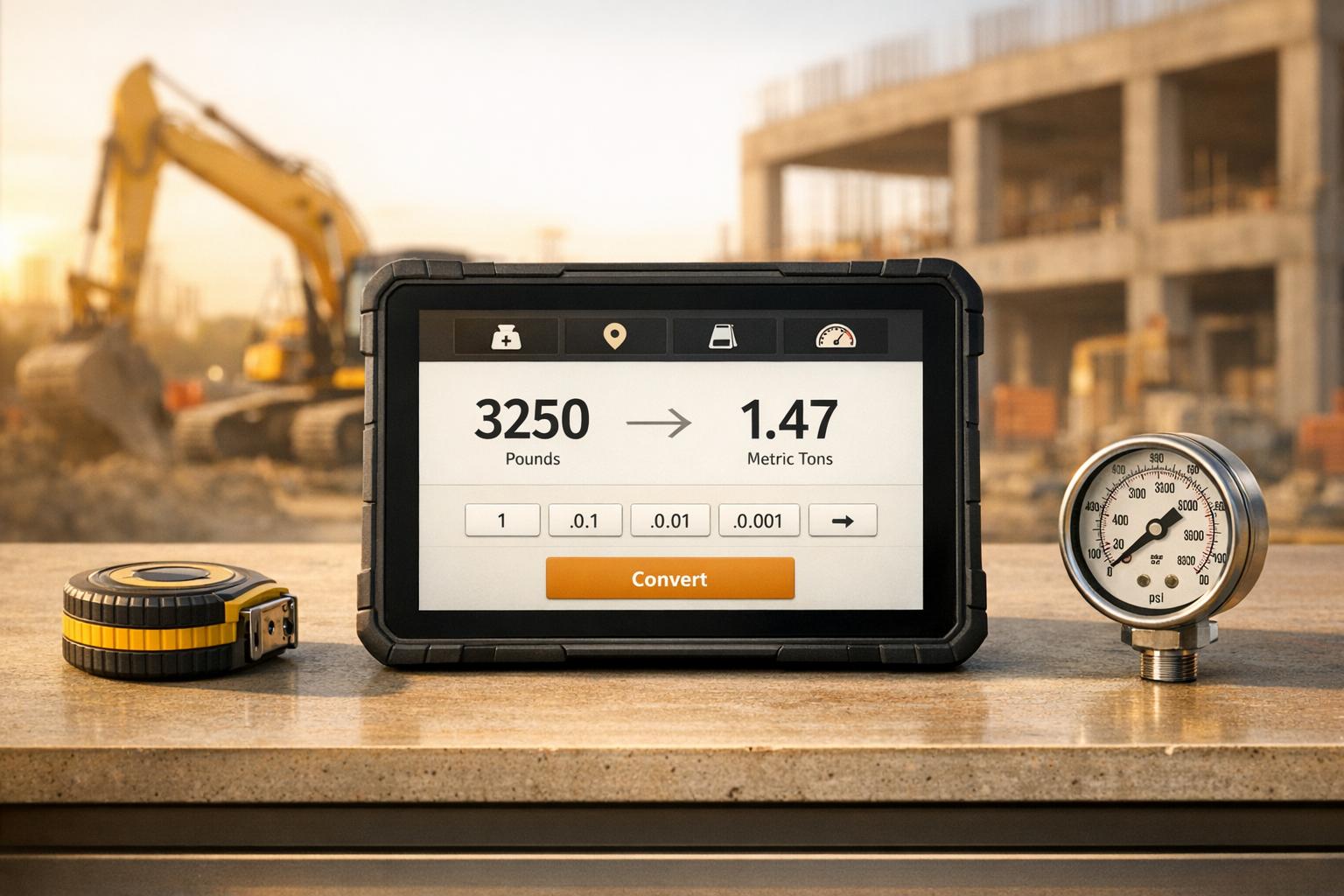
Heavy Equipment Unit Converter
Fast, practical conversions for the jobsite
A Heavy Equipment Unit Converter is a simple but valuable tool for contractors, operators, and engineers who need quick answers without stopping work to dig through charts or manuals. On busy projects, measurements often shift between systems depending on the equipment, supplier, or spec sheet. Being able to convert tons to kilograms, feet to meters, cubic yards to cubic meters, or PSI to bar helps teams stay aligned and avoid costly mistakes.
Built for construction and engineering work
This construction conversion tool is especially useful when checking machine capacities, estimating material movement, reviewing hydraulic pressure readings, or comparing manufacturer data from different regions. Clear output and adjustable rounding make the results easier to use in real-world conditions, where speed matters just as much as accuracy.
Instead of juggling formulas in the field, crews can use a Heavy Equipment Unit Converter to get dependable values in seconds. That keeps communication cleaner across teams and helps decisions move faster. For anyone working around loaders, excavators, haul trucks, or site prep equipment, a reliable engineering unit calculator is one of those small tools that saves time every single day.
FAQs
What units does this heavy equipment converter support?
The tool is built around measurements construction and engineering teams use every day. It covers common weight units like tons, pounds, and kilograms; distance units such as feet and meters; volume units including cubic yards and cubic meters; and pressure units like PSI and bar. That makes it useful for everything from equipment specs and material estimates to hydraulic system checks.
How accurate are the conversions?
The converter uses standard industry conversion factors, so the results are reliable for everyday fieldwork, planning, and documentation. If you need cleaner numbers for reports or quick estimates, you can round the output to your preferred decimal place. For regulated engineering sign-off or manufacturer-specific tolerances, it's still smart to verify against project requirements or equipment manuals.
Why is rounding useful on a jobsite?
On a jobsite, people usually need answers they can read fast and use right away. A long string of decimals can slow things down or make communication harder between operators, supervisors, and engineers. Rounding lets you match the level of precision to the task, whether you want a whole number for quick reference or a few decimal places for more detailed planning.
Related Articles
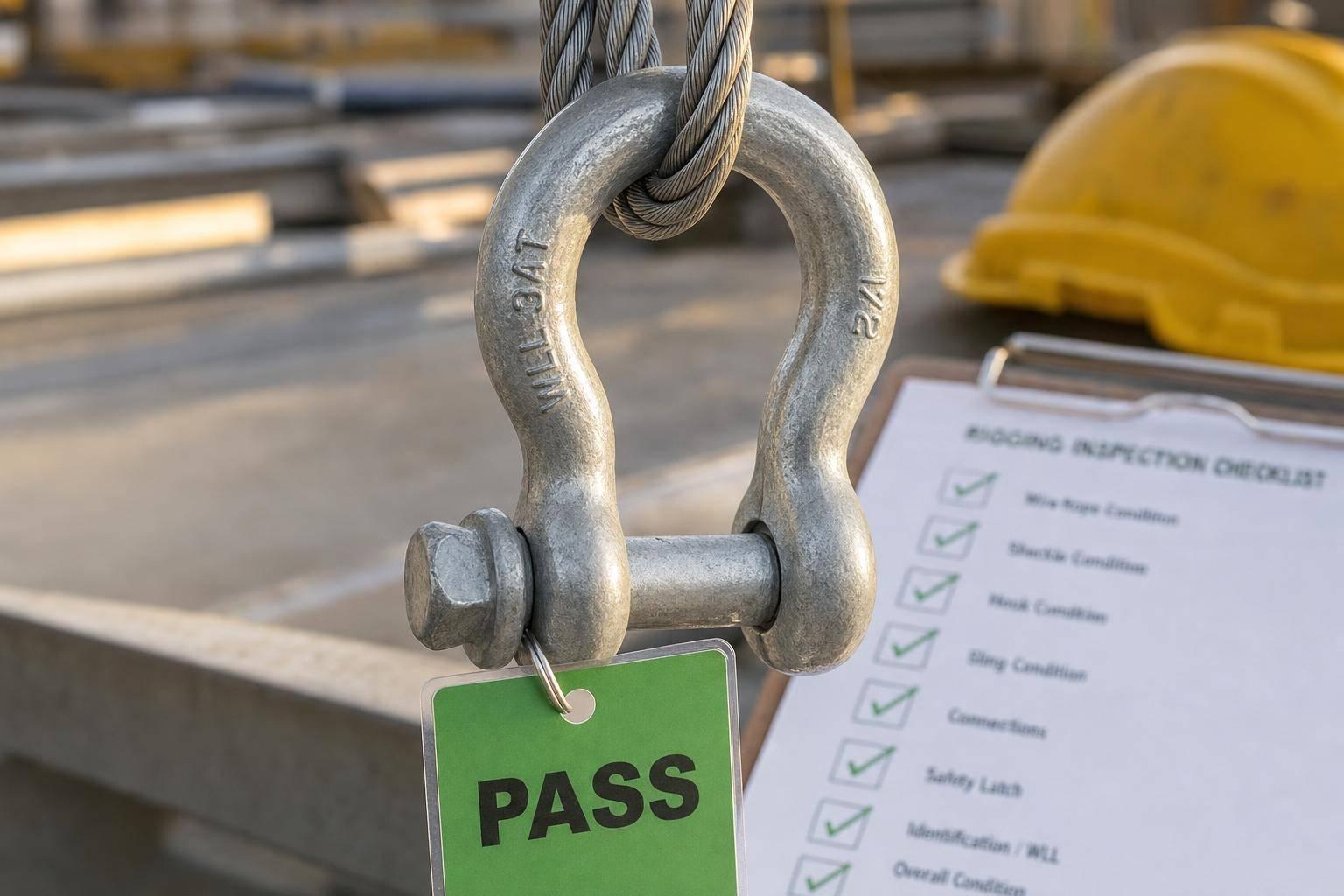
Rigging Inspection Checklist
Run a fast pre-use rigging inspection, flag unsafe conditions, and get a clear pass or Do Not Use result for the jobsite.
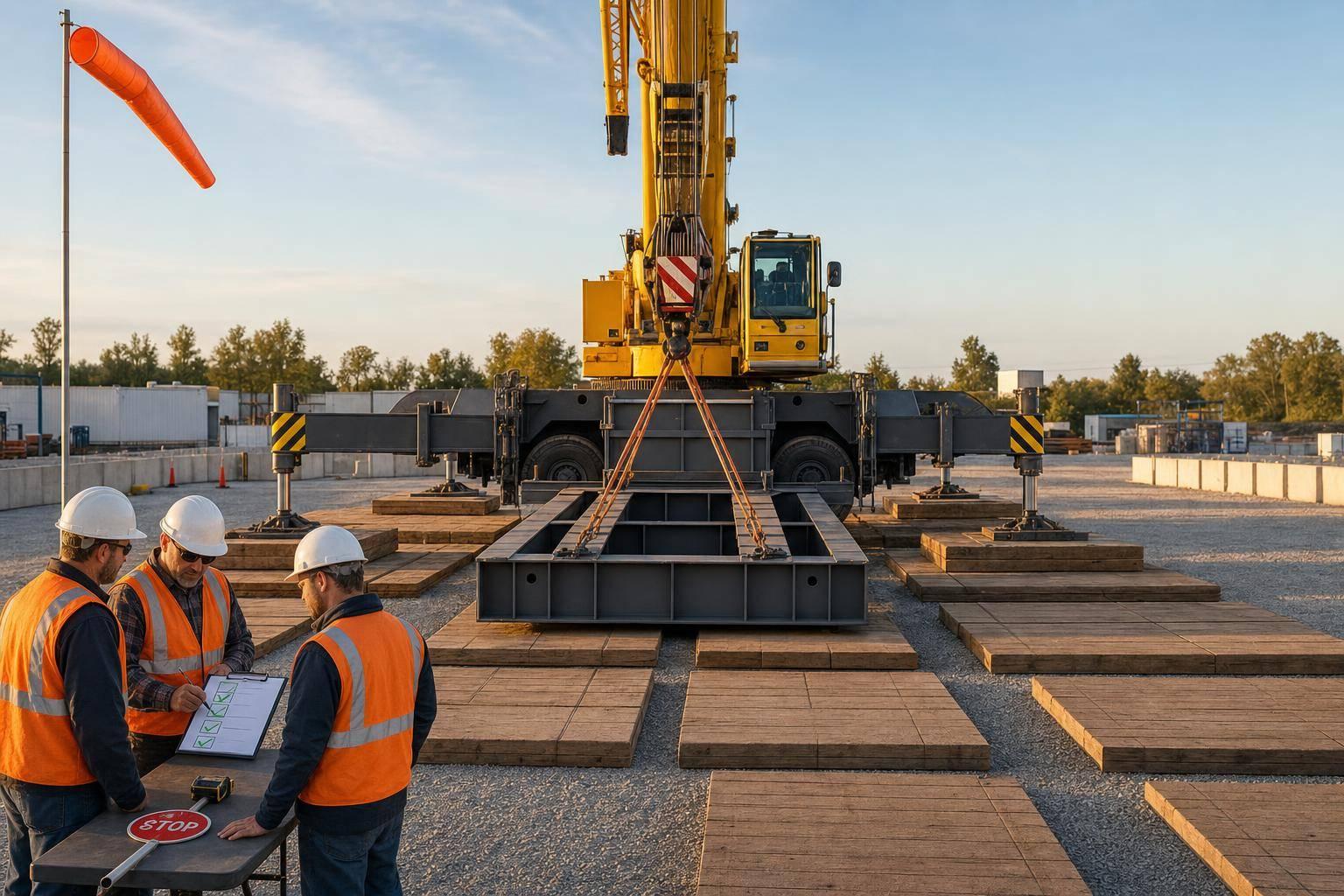
Ultimate Guide to Pre-Lift Planning for Complex Lifts
Step-by-step pre-lift checklist for critical crane lifts: verify gross load, crane setup, ground-bearing support, crew roles, wind limits, and stop-work rules.
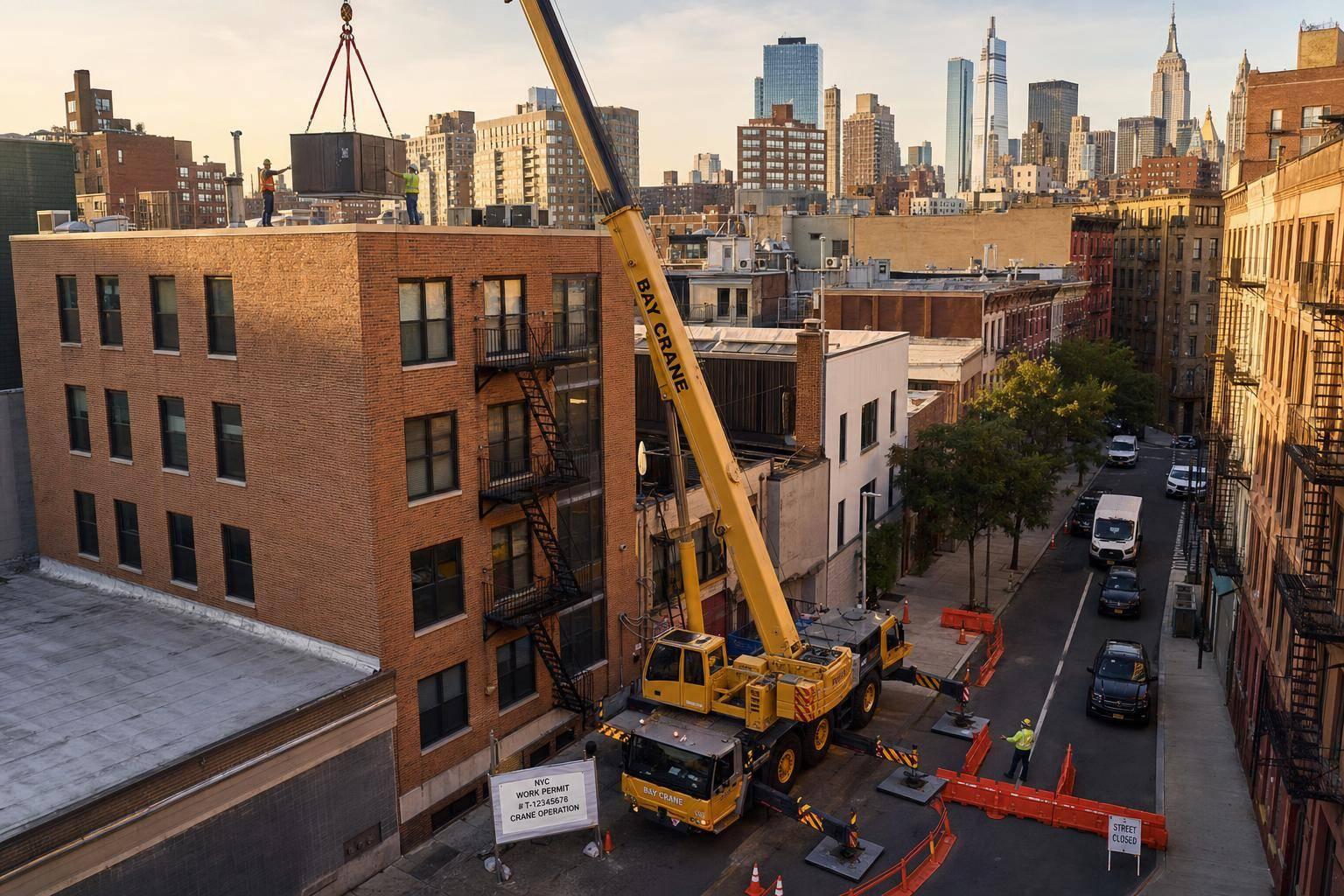
When to Consider Truck Crane Rental for Your New York City Heavy Lifting Projects
Decide if a truck crane fits your NYC lift by checking site access, outriggers, lift radius/height, permits, and single-mobilization timing.