
Construction Site Safety Scorecard

Construction Site Safety Scorecard
A practical way to review jobsite safety
A Construction Site Safety Scorecard gives site managers a simple way to review daily conditions, track compliance, and catch issues before they turn into incidents. Instead of relying on memory or scattered notes, teams can score key safety items like PPE use, equipment inspections, fall protection, warning signage, housekeeping, and worker training records in one place.
Why a safety scorecard helps
A clear scoring system makes it easier to compare jobsite performance over time and focus attention where it matters most. If one area scores lower than the rest, the tool can flag it and offer quick suggestions for improvement. That saves time during walk-throughs and helps supervisors communicate concerns in a more consistent way.
Built for quick, repeatable checks
This construction safety assessment works well for routine site reviews, pre-shift checks, weekly inspections, or internal safety meetings. With at least 10 predefined categories and an overall percentage score, the Construction Site Safety Scorecard turns observations into a straightforward snapshot of site readiness. It's a useful guide for better habits and faster follow-up, while still supporting the bigger goal of safer, more accountable construction operations.
FAQs
What safety categories should a construction site safety scorecard include?
A solid scorecard should cover the areas that most often affect day-to-day jobsite risk. That usually includes PPE usage, equipment inspection, fall protection, ladder safety, scaffolding, site access control, hazard communication, warning signage, housekeeping, emergency preparedness, and training records. If your site has specialized risks, such as excavation, confined spaces, or crane operations, those can be added too. The goal is to create a quick but meaningful snapshot of how well the site is meeting basic safety expectations.
How is the overall safety score calculated?
The score is calculated as a percentage: total points earned divided by total possible points, multiplied by 100. For example, if your checklist allows 50 total points and the site earns 40, the score is 80%. That score can then be matched to a color indicator so the result is easy to read at a glance. Green suggests strong performance, yellow signals caution and room for improvement, and red points to more urgent safety concerns that need attention.
Can this tool replace a formal safety inspection or compliance audit?
No, it shouldn't be used as a substitute for an official inspection, regulatory review, or professional safety audit. A scorecard is best used as a practical internal check to support routine monitoring, crew discussions, and corrective action planning. It helps site managers stay organized and spot trends early, but formal compliance decisions should still rely on qualified safety personnel and applicable local, state, or federal requirements.
Related Articles
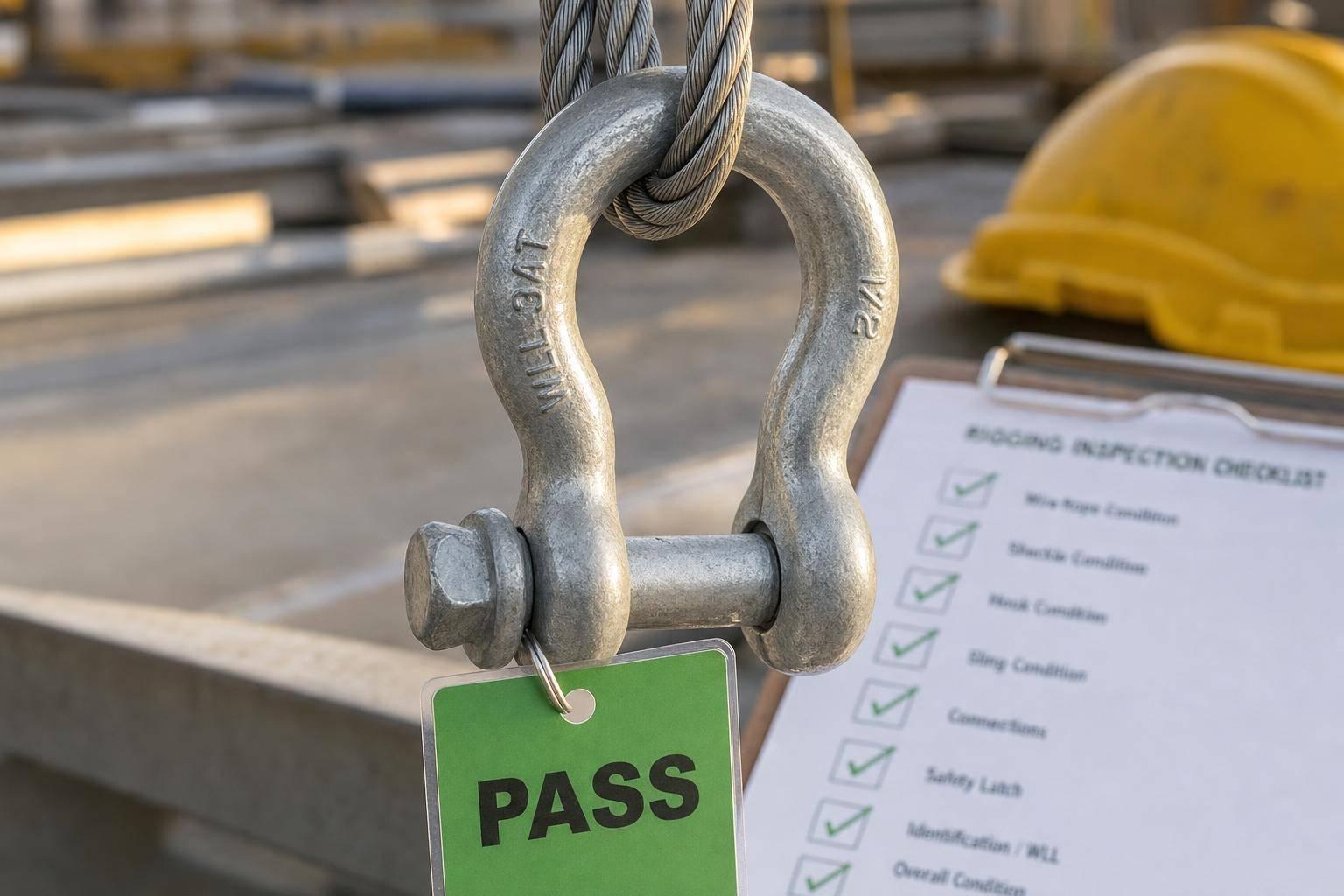
Rigging Inspection Checklist
Run a fast pre-use rigging inspection, flag unsafe conditions, and get a clear pass or Do Not Use result for the jobsite.
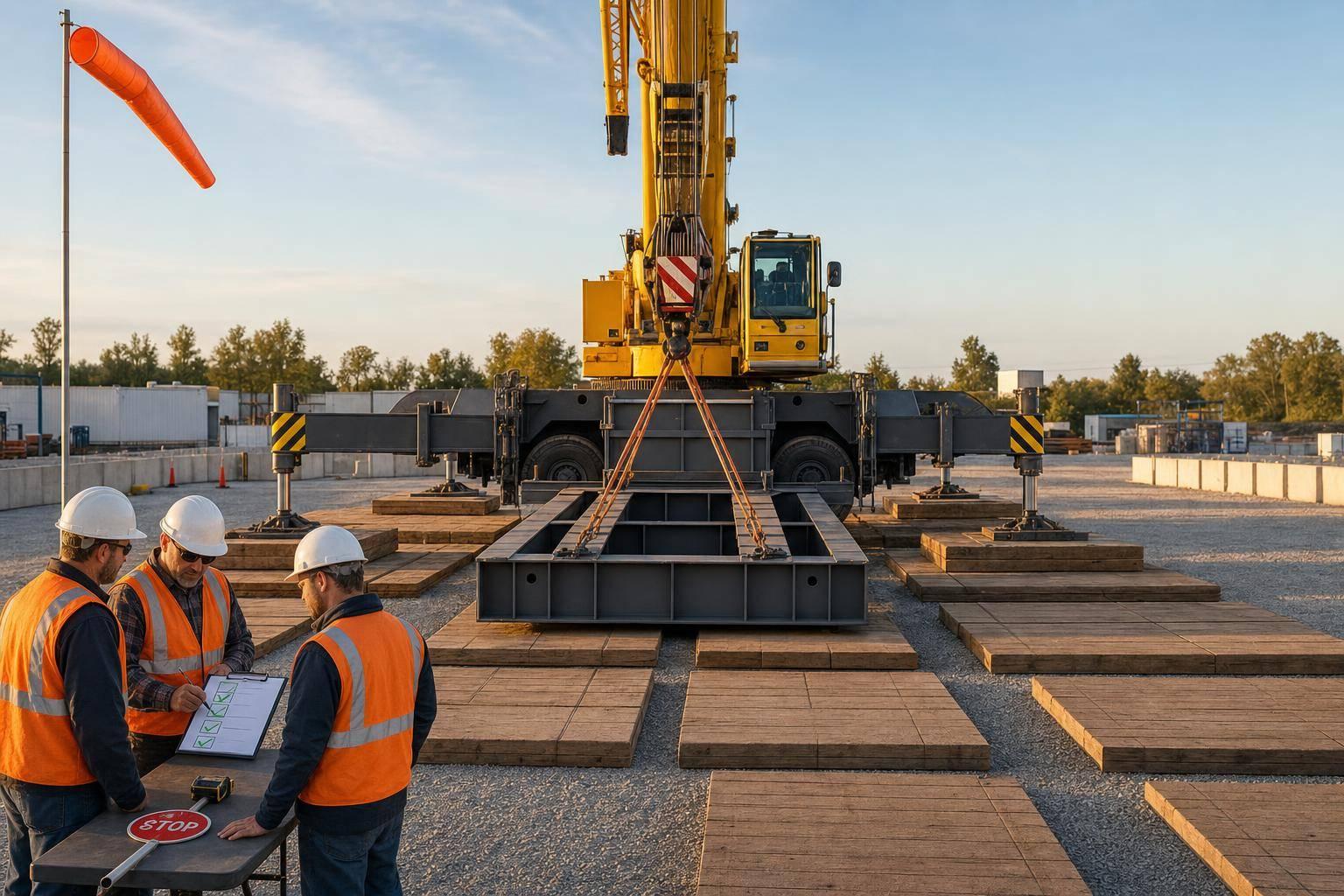
Ultimate Guide to Pre-Lift Planning for Complex Lifts
Step-by-step pre-lift checklist for critical crane lifts: verify gross load, crane setup, ground-bearing support, crew roles, wind limits, and stop-work rules.
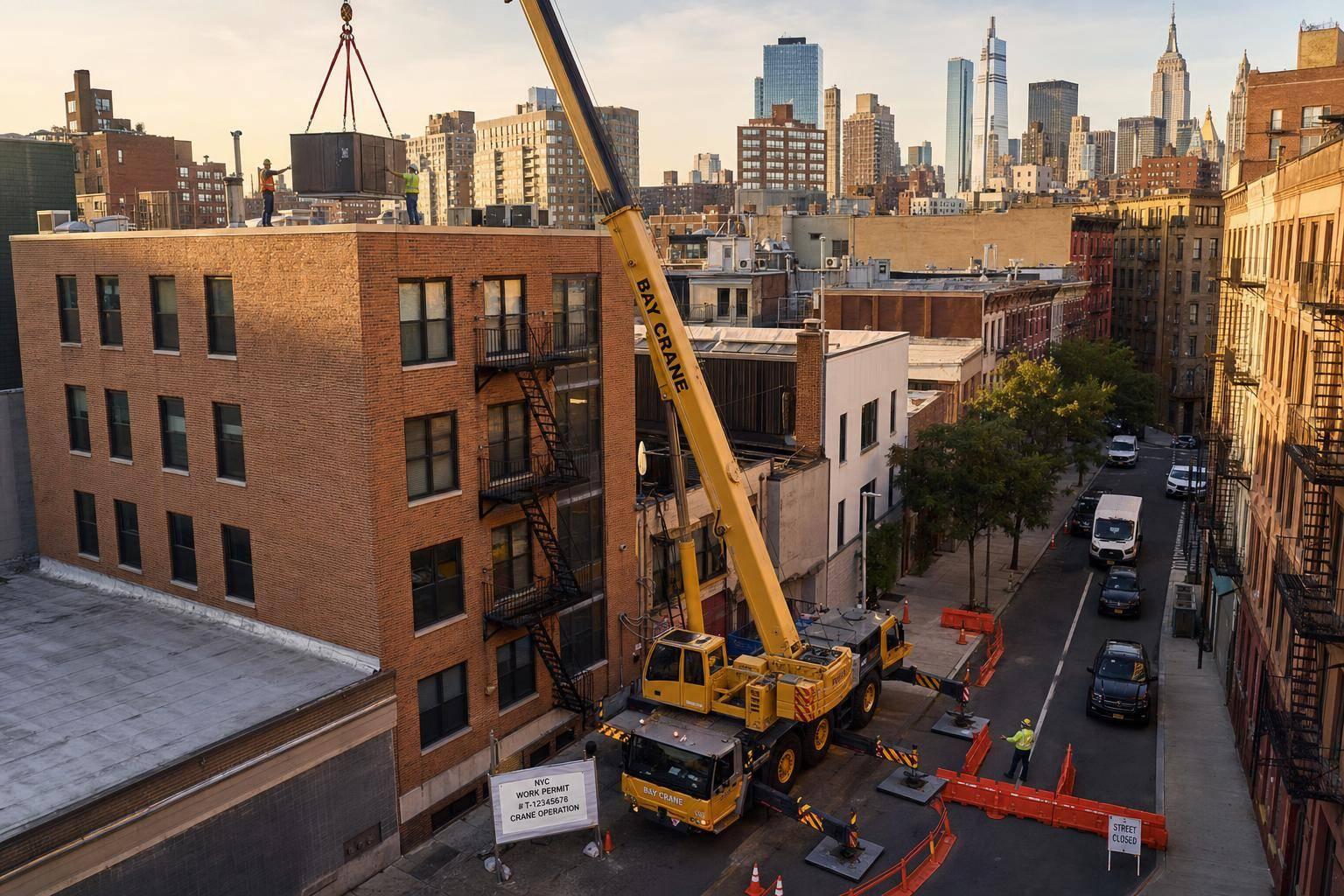
When to Consider Truck Crane Rental for Your New York City Heavy Lifting Projects
Decide if a truck crane fits your NYC lift by checking site access, outriggers, lift radius/height, permits, and single-mobilization timing.