Rigging Inspection Checklist
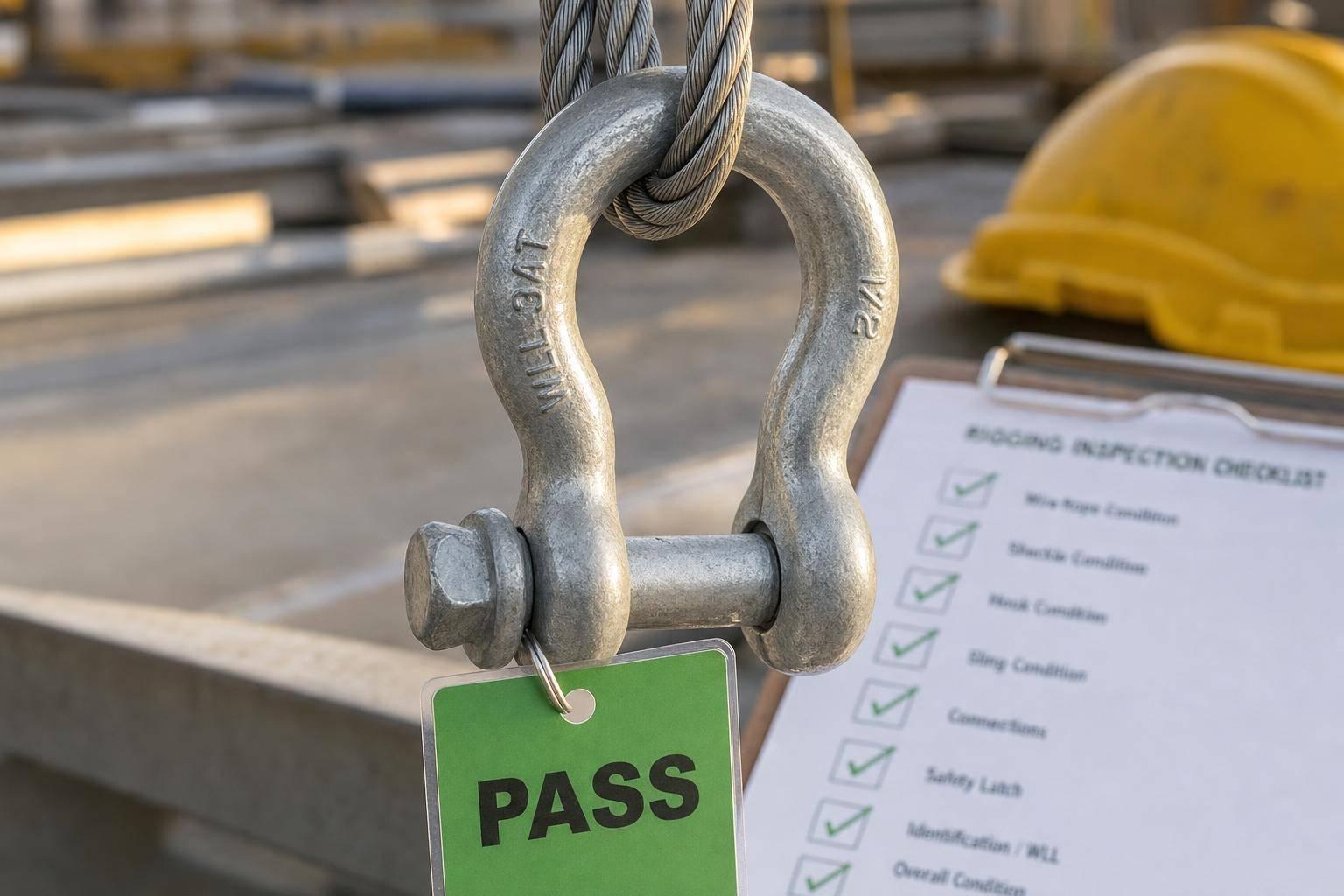
Rigging Inspection Checklist Tool
Fast pre-use checks for lifting gear
A rigging inspection checklist helps crews catch unsafe conditions before a lift starts. On busy construction sites and in industrial plants, inspectors need a quick way to review slings, shackles, hooks, wire rope, chain, and other lifting components without digging through paperwork. This tool keeps the process simple: enter the equipment details, walk through the inspection points, and get a clear status right away.
What the inspection looks for
A solid rigging inspection checklist focuses on the issues that matter most in the field: missing or unreadable tags, deformation, cracks, bent hardware, corrosion, wear, broken wires, damaged links, missing latches, and signs of improper repair. It also helps confirm the equipment matches the intended load and hitch configuration.
Built for jobsite decisions
If a safety-critical item fails, the tool clearly marks the equipment as Do Not Use and highlights the problem areas so corrective action is easy to document. If everything checks out, users get a clean passed inspection record with a completion score that is easy to review and print. It's a practical way to support lifting safety while keeping inspections consistent, readable, and fast for the people doing the work.
FAQs
What causes the tool to return a Do Not Use result?
Any failed safety-critical item will trigger a Do Not Use result. That includes missing or unreadable identification tags, structural damage such as cracks or deformation, wear or damage that affects safe use, missing latches or retaining parts, unauthorized repairs or modifications, and signs of overloading or shock loading. Even if other items pass, those conditions should be addressed before the equipment goes back into service.
Can I still complete the inspection if some items are not applicable?
Yes. Some checklist points depend on the type of rigging being inspected, so not applicable responses are expected in many cases. The tool is designed to allow completion as long as the core required items are answered. It also adjusts the language slightly by equipment type, so a synthetic sling inspection can focus on cuts, tears, and stitching damage, while wire rope can focus on broken wires, kinks, birdcaging, or crushed sections.
Does this replace OSHA, ASME, or manufacturer inspection requirements?
No. This tool supports a practical pre-use inspection, but it does not replace your employer's procedures, manufacturer instructions, or applicable OSHA and ASME requirements. Think of it as a fast field checklist that helps crews document what they see and spot obvious no-go conditions before a lift. Final responsibility still belongs with the employer, competent person, and the standards that apply to the equipment being used.
Related Articles
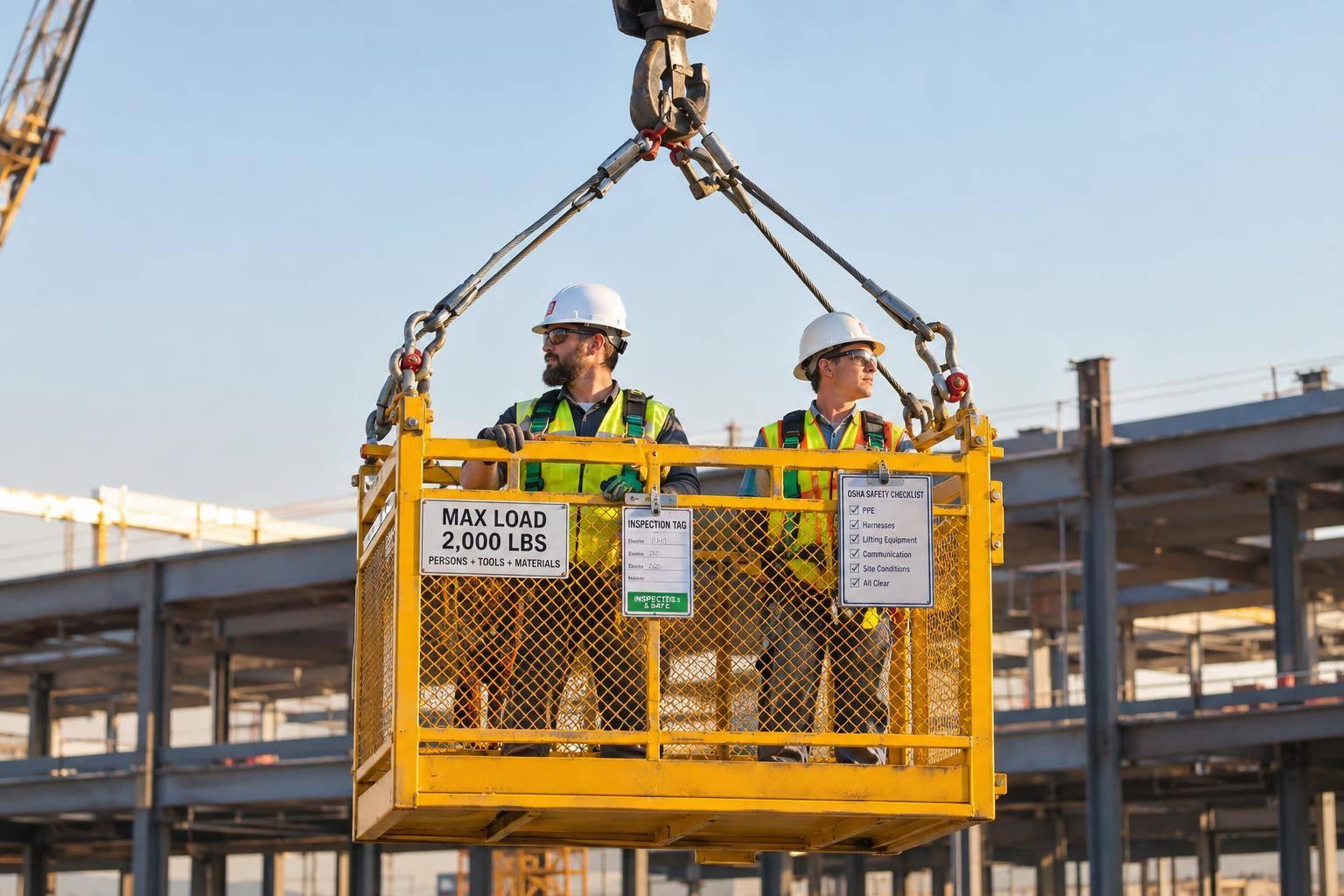
Man Basket Safety Standards: OSHA Guidelines
OSHA checklist for crane-hoisted man baskets: design, proof tests, trial lifts, fall protection, training, and rescue plans.
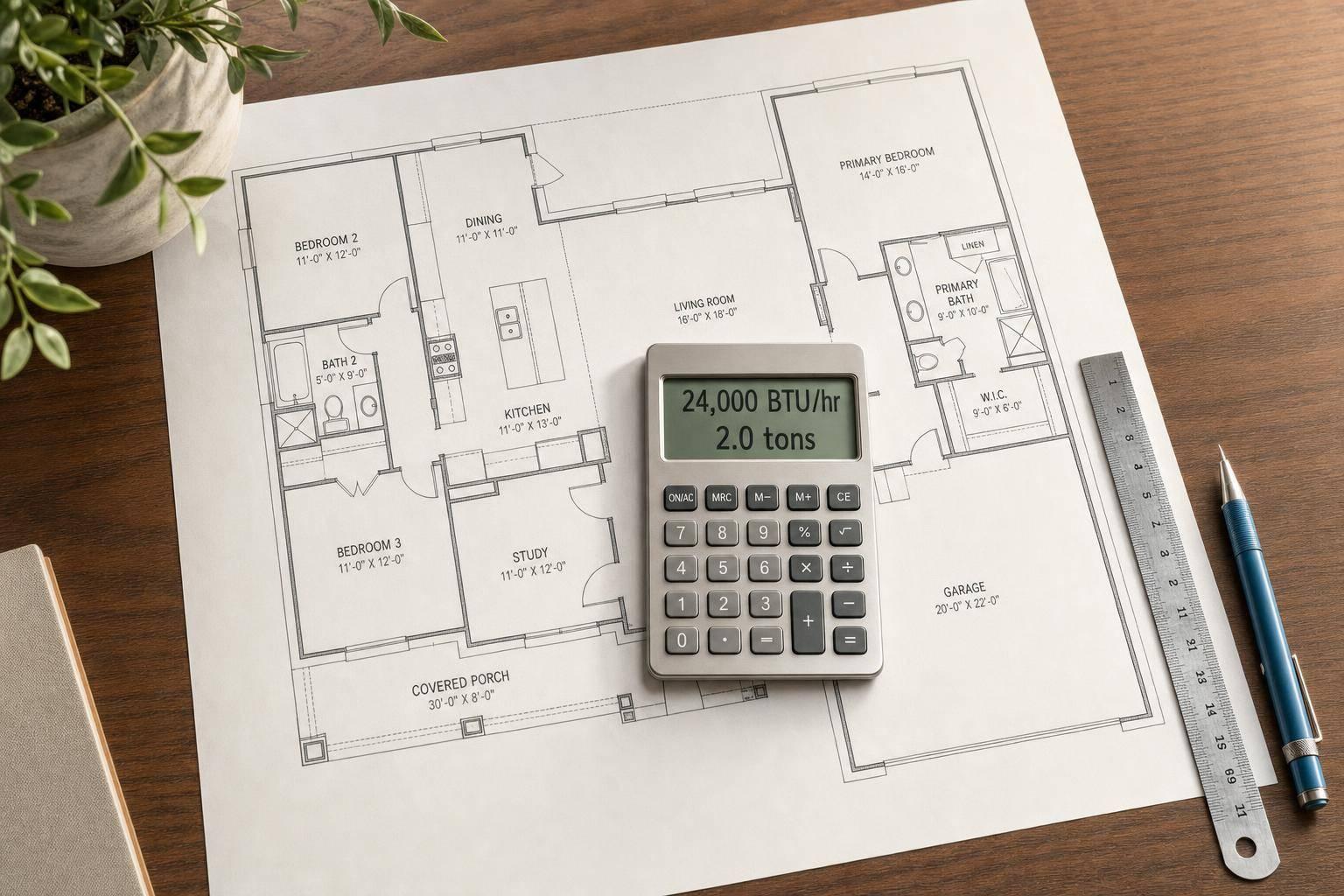
HVAC Tonnage Calculator
Estimate AC size in BTU/hr and tons using area, climate, insulation, and more—then compare your result with practical unit size ranges.
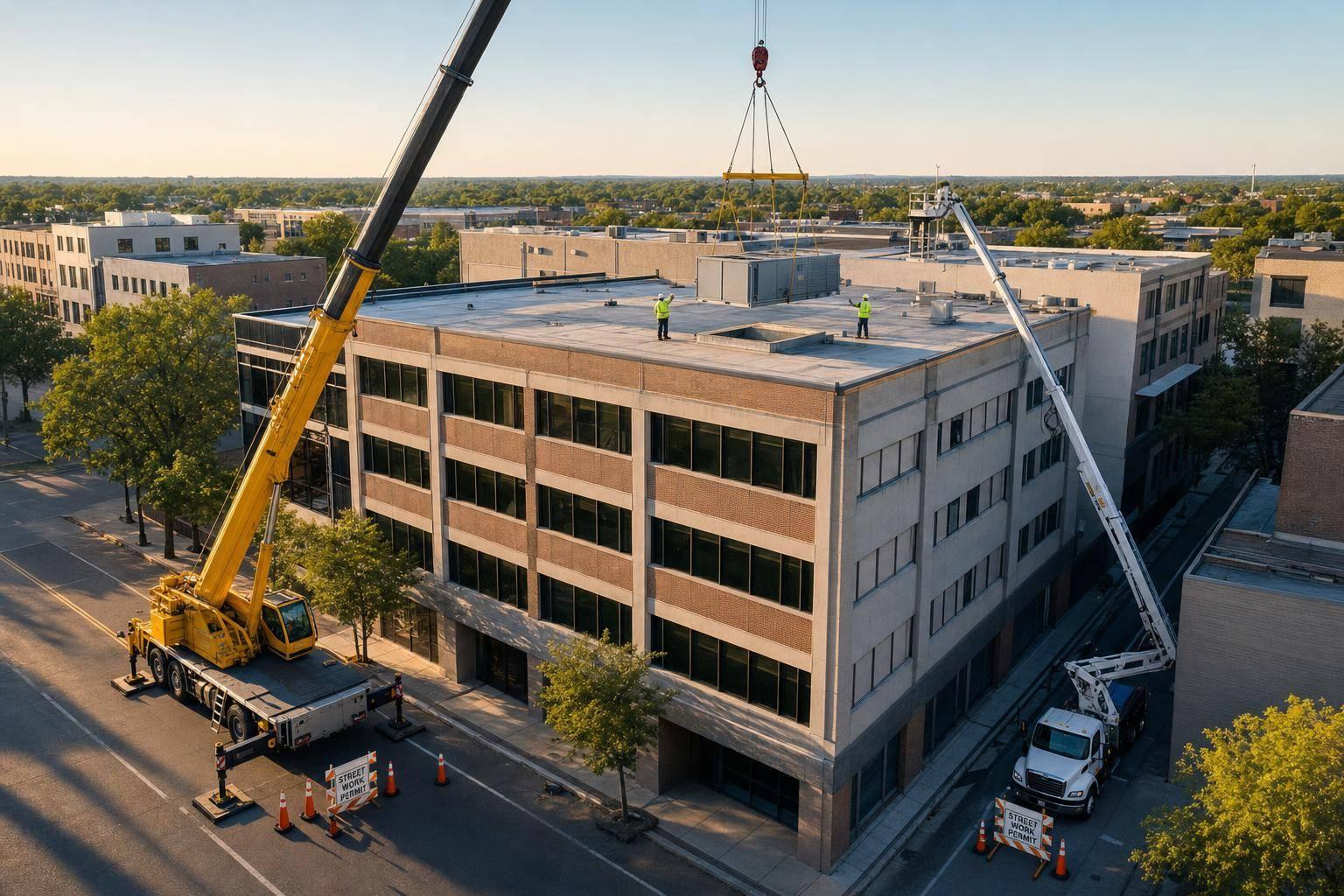
Crane vs Boom Truck for HVAC Lifting
Compare boom trucks vs mobile cranes for rooftop HVAC lifts—weight, height, working radius, site access, permits, and true job cost.