
Planning Crane Operations for Storm Season

Plan to stop crane work before a storm makes shutdown unsafe. Set weather triggers for the crane and load, assign stop-work authority, and leave enough time to land loads, secure equipment, and reach shelter.
For sites across Long Island, New York City, and New Jersey, the plan should cover:
- Before lifting: Check manufacturer instructions, ground support, flood risks, and shutdown tasks.
- During work: Track wind, lightning, visibility, and site conditions. There is no single wind cutoff for all mobile cranes.
- Before restarting: Inspect the crane and ground, fix defects, and document approval. After thunder, stay sheltered for at least 30 minutes after the last thunder.

Crane Storm Safety: Plan, Stop, Secure, Restart
Create a Site-Specific Storm Plan
Turn the storm plan into clear, job-specific instructions before the first lift.
Review Crane Instructions and Site Hazards
Record the crane model, boom length, jib, counterweights, lift radius, load weight and dimensions, exposed surface area, and rigging arrangement. Keep the matching load charts, operating limits, and storm-securement instructions at the crane.
Follow the manufacturer’s instructions for the exact configuration, including boom position and attachment securement. Don’t rely on a generic wind-speed rule.
Check ground bearing capacity, drainage, flood exposure, buried utilities, nearby excavations, overhead power lines, and emergency access. Make sure mats and other supports meet the manufacturer’s support and leveling requirements. Mark load-landing areas and set a stop point for when rain makes the setup area unsafe.
Assign Stop-Work Authority and Shutdown Tasks
Name a competent person and a backup. A crane operator credential alone does not make someone the competent person. That person must be able to identify site hazards and have the authority to correct them.
When a local storm warning is issued, the competent person must decide whether to carry out the manufacturer’s securement instructions. Record the warning, the decision, the time, and the required actions.
Assign specific people to monitor weather, land loads, secure the crane, notify the crew, and control access. During the pre-lift briefing, confirm the radio channel, backup communication method, shutdown contacts, and shelter location. Keep the manufacturer’s instructions within reach of the people handling the shutdown.
Schedule Lifts With Time to Shut Down
Set the last-start time by working backward from the weather cutoff. Allow enough time to finish the lift, disconnect rigging, secure the crane and attachments, and clear the site.
A rooftop HVAC lift may need more shutdown time than a short material pick because of access and rigging.
Use that cutoff to set the weather trigger for shutdown.
sbb-itb-798c36f
Monitor Weather and Set Shutdown Triggers
Track Forecasts and Conditions on Site
Monitor weather in real time against the shutdown trigger in the lift schedule. Assign the competent person or a designated backup to check National Weather Service alerts, local warnings, radar, lightning alerts, and the forecast before each shift. Keep monitoring throughout lifting.
Log update times, sustained wind, peak gusts, wind direction, lightning, precipitation, visibility, and temperature. Compare forecasts with site readings - not app data alone.
Use a calibrated on-site anemometer, and account for wind at boom and load height. Conditions there can differ sharply from readings at ground level. Pay close attention to changing gusts on waterfronts, rooftops, and open sites.
Stop Before Conditions Become Unsafe
Use the weather log to decide when to stop - before the crane reaches its limit. Set warning and shutdown triggers for the crane’s actual configuration, load shape, rigging, lift height, and site exposure. Broad loads can catch wind even when their weight is below rated capacity.
OSHA 29 CFR 1926.1417(n) requires the competent person to adjust operations for how wind, ice, and snow affect stability and rated capacity. It does not set a single wind cutoff for all mobile cranes.
- Rising gusts or changing wind direction: Reassess before reaching manufacturer limits. Stop earlier if the load spins or drifts, and land it before control is lost.
- Poor visibility, ice, or ground losing bearing capacity: Stop if reliable signaling, load control, or crane support is compromised. Follow manufacturer instructions for any capacity adjustments.
- Thunder or nearby lightning: Stop outdoor crane work and move workers to shelter. National Weather Service guidance calls for staying sheltered for at least 30 minutes after the last thunder - not just until the rain stops.
Secure Equipment and Plan the Restart
Once a lift stops, shift immediately from weather monitoring to securing the crane and planning restart checks. Both are planned stages of the same shutdown cycle.
Follow Crane-Specific Securement Instructions
When the lift pauses, secure the crane as the manufacturer requires, then log the shutdown.
Land or safely secure the load. Stop hoisting, slewing, and travel, and place the crane in its manufacturer-specified safe configuration. Secure rigging and tools, establish an exclusion zone, and move workers to a safe location.
For storm securement, remove suspended loads and secure loose rigging, man baskets, barriers, and materials. Protect controls and electrical components from water intrusion as directed in the manual. Follow the specific instructions for the boom, jib, hook block, outriggers, swing system, and parking. Do not automatically lower the boom or release the swing brake. Before relocating equipment, assess flood exposure and maintain utility clearances, drainage, and emergency access.
Use one log entry to record the shutdown time, weather trigger, crane model, serial number, configuration, and person responsible for checking the crane before reuse.
Once the crane is secured, inspect it and the site before deciding whether to restart.
Inspect Equipment and Ground After the Storm
Have the assigned competent or qualified person inspect the equipment and site under the manual and applicable inspection rules. Check mats, cribbing, outriggers, settlement, washout, drainage, access routes, clearances, ice, debris, water intrusion, crane components, controls, safety devices, and rigging.
Photograph defects, record measurements and corrective actions, and tag affected equipment out of service when required. Do not energize systems with suspected water intrusion until they have been properly assessed.
Document Approval Before Restarting Lifts
Resolve deficiencies and obtain the required inspections or technical reviews. Verify weather, ground support, crane configuration, load chart, rigging, permits, exclusion zones, utility clearances, lift path, communications, and crew readiness. Approval requires weather, ground, and configuration to meet safe operating requirements - not a generic “all clear.”
Record the approver’s name, time, conditions, and restrictions in the site plan or lift permit. Any change in location, configuration, or load path requires a new lift review; it is not a continuation of the previous lift.
For lightning delays, record the last thunder time and follow the shelter protocol. If thunder returns, reset the 30-minute clock before restarting. Complete the site and equipment checks before authorizing outdoor crane work.
Conclusion: Use Storm Controls for Every Lift
Build storm controls into every lift plan. Assign stop-work authority before the lift begins.
Monitor conditions throughout the job. Stop at the first warning or shutdown trigger, secure the crane, and move crews to safety. Follow the most restrictive requirement that applies - not a generic wind limit.
After the storm, require an inspection, corrective action, and documented approval before restarting. Schedule pressure never takes priority over safety. Reschedule the lift if safe conditions cannot be met.
FAQs
What if a storm arrives before crane shutdown is complete?
If a storm arrives before crane shutdown is complete, clear communication among all team members is critical to site safety. L&M Crane continuously tracks wind speeds with specialized gauges. City regulations prohibit further crane use when winds reach 30 mph. Planning ahead and following strict safety protocols help the team prepare to secure equipment safely and comply with regulations.
How should nearby buildings affect my wind-risk assessment?
Nearby buildings can channel wind and create turbulence, changing wind speeds at the lift site. Wind risk assessments need to account for these local effects, since gusts can greatly affect crane capacity and safety.
At L&M Crane, our experts assess each project site in New York and New Jersey. We plan lifts around safety, compliance, and site-specific weather and surroundings to help prevent wind-related hazards.
When does storm damage require a specialist inspection?
If you suspect equipment was damaged or compromised during rigging or after severe weather, a specialist inspection is required. At L&M Crane, we routinely inspect and maintain all equipment to keep it running reliably and in compliance with applicable requirements.
For unexpected emergencies or possible storm damage, our team is available 24/7/365 to help assess your equipment and get work started again safely.
Related Blog Posts
Related Articles
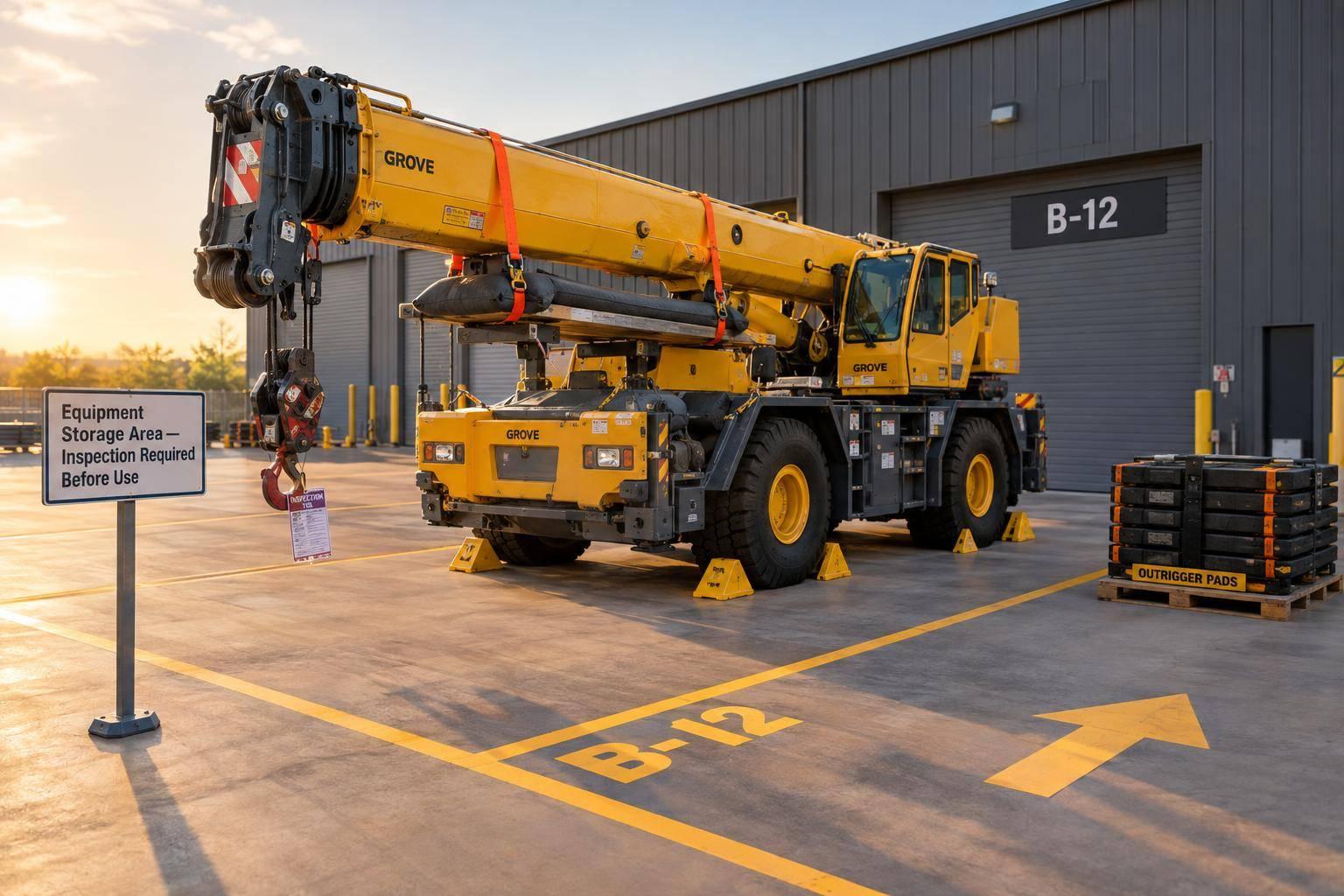
OSHA Rules for Crane Equipment Storage
Storing cranes safely requires following OSHA standards, manufacturer instructions, and qualified inspections before reuse.
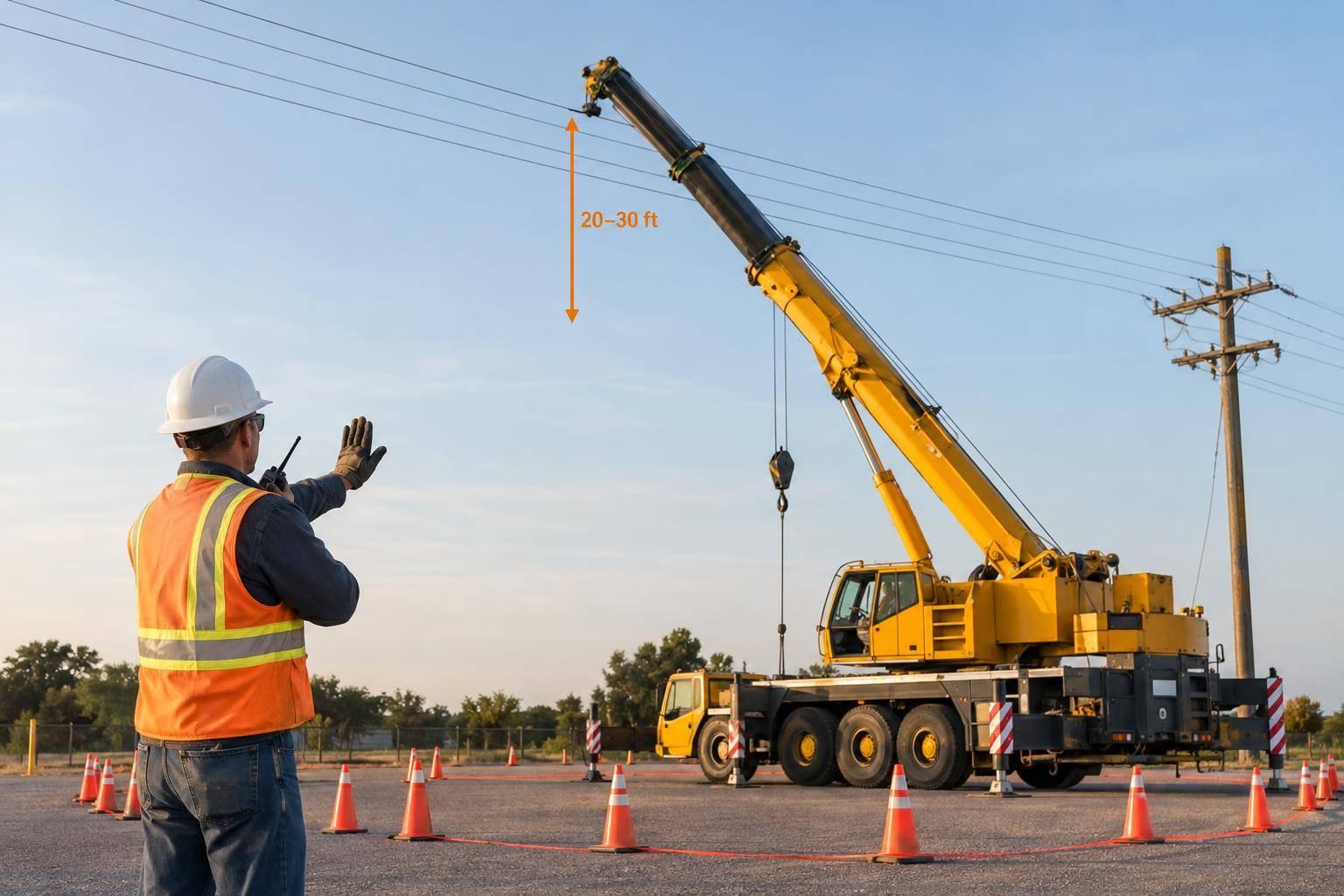
OSHA Guidelines for Overhead Clearance in Crane Operations
OSHA rules for crane work near power lines: when to keep 20-50 ft clearance, required controls, spotter duties, and pre-lift checks.
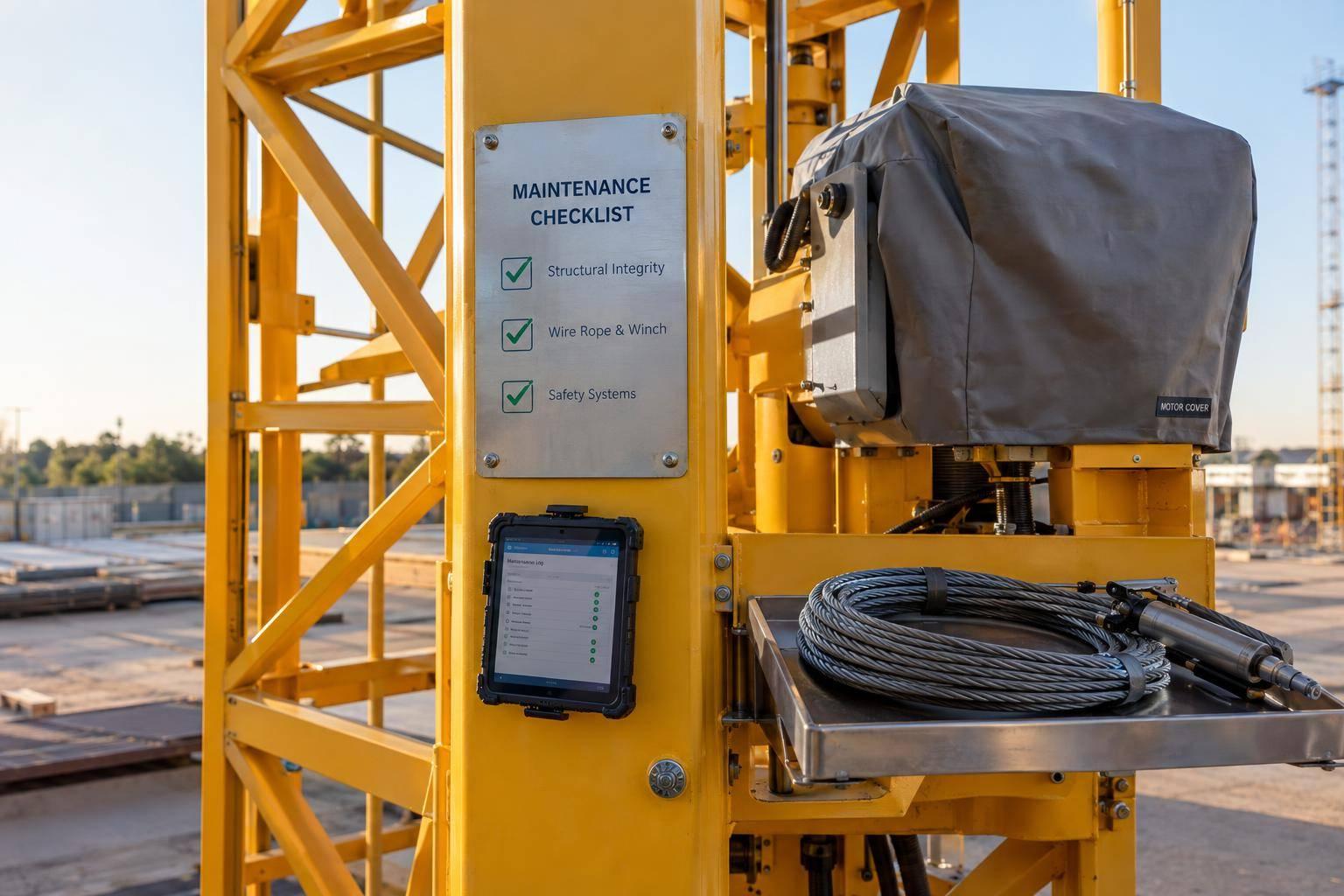
Checklist for Cost-Effective Crane Maintenance
Daily and scheduled inspections, lubrication, weather protection, and recordkeeping to reduce crane repairs, downtime, and maintenance costs.