
Rigging Weight Distribution Tool
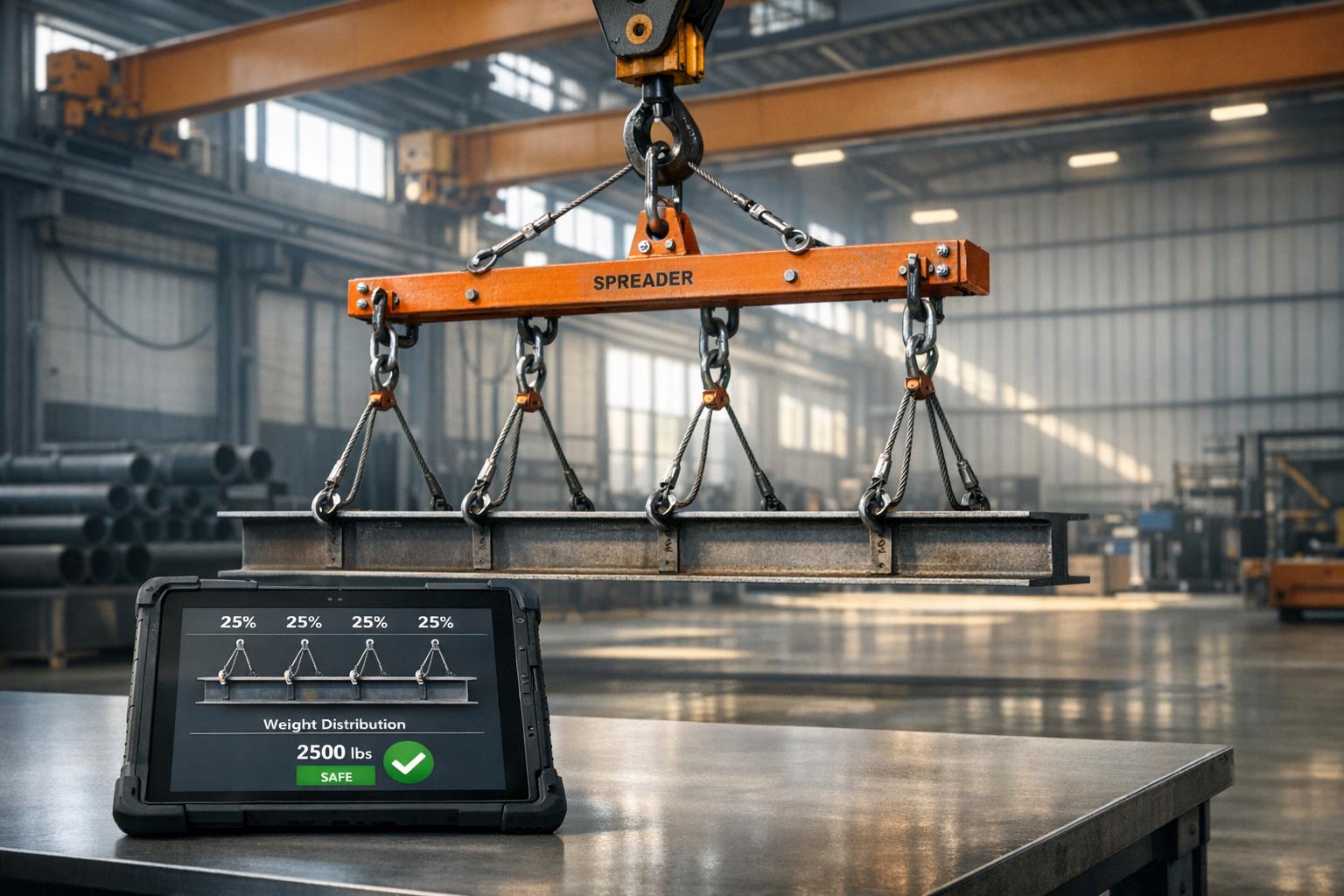
Master Safe Lifts with a Rigging Weight Distribution Calculator
When planning a heavy lift, precision is everything. Rigging professionals know that uneven load sharing across sling points can turn a routine job into a dangerous situation. That’s where a tool for calculating sling load distribution comes in handy. By factoring in total weight, sling angles, and even differing lengths, you can map out tension across each point before ever hooking up a load. This kind of foresight helps prevent equipment failure and keeps your crew safe on the job.
Why Load Distribution Matters
Every lift involves variables—angles, weight, and setup—that affect how stress spreads across your gear. A miscalculation can overload a single sling, risking snaps or shifts mid-lift. Using a digital solution to break down these forces means you’re not guessing; you’re working with data. Whether you’re hoisting machinery on a construction site or moving cargo at a port, understanding load share is the foundation of a secure operation. Pair this with regular gear inspections and manufacturer guidelines, and you’ve got a recipe for efficiency and safety that stands up to any challenge.
FAQs
How does sling angle affect weight distribution?
Great question! The angle of a sling directly impacts the tension it experiences. A steeper angle—say, closer to vertical—means less tension because the load is more evenly supported. But as the angle widens, like at 60° or more, the tension spikes, putting extra stress on the sling. This tool uses trig to calculate that tension precisely, so you can see which points bear the most load and adjust accordingly.
What if my slings have different lengths?
No worries, we’ve got that covered. If your slings aren’t the same length, just input the measurements in feet or meters. The tool accounts for uneven lengths by estimating shifts in the center of gravity, which changes how the weight distributes. It’s not a perfect substitute for on-site testing, but it gives you a solid starting point to plan a balanced lift.
How do I know if a sling is overloaded?
This tool flags potential issues by comparing the calculated tension on each sling to a general safe working load threshold—about 50% of a standard sling’s capacity. If a sling’s load looks too high, you’ll see a warning. That said, always check your manufacturer’s specs for the exact rating of your gear, since materials and conditions vary.
Related Articles
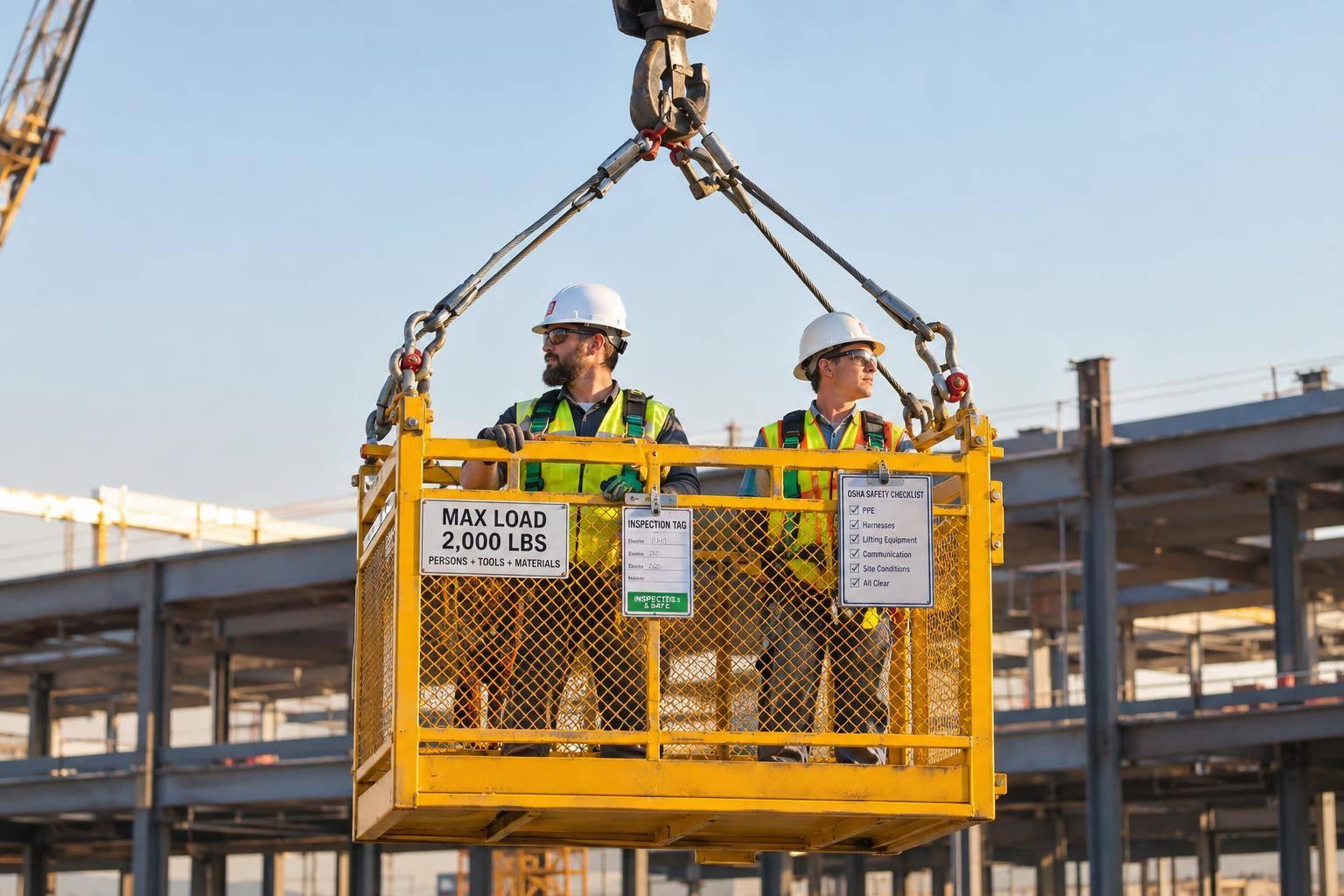
Man Basket Safety Standards: OSHA Guidelines
OSHA checklist for crane-hoisted man baskets: design, proof tests, trial lifts, fall protection, training, and rescue plans.

HVAC Tonnage Calculator
Estimate AC size in BTU/hr and tons using area, climate, insulation, and more—then compare your result with practical unit size ranges.

Crane vs Boom Truck for HVAC Lifting
Compare boom trucks vs mobile cranes for rooftop HVAC lifts—weight, height, working radius, site access, permits, and true job cost.