Lifting Height Estimator

Maximize Safety with a Crane Lifting Height Estimator
When planning a construction project, knowing the reach of your equipment is crucial. A tool to calculate maximum crane reach can save time, reduce risks, and ensure smoother operations on-site. Whether you’re hoisting materials to a high-rise or setting up for a smaller build, having a reliable way to gauge lift capacity under specific conditions—like boom angle or site elevation—makes all the difference.
Why Precision Matters in Crane Operations
Crane work isn’t just about power; it’s about precision. Misjudging how high your equipment can lift might lead to delays or, worse, safety hazards. By using a simple estimator tailored for construction pros, you can input key details and get a quick, dependable figure to guide your setup. Pair this with on-site expertise, and you’ve got a recipe for efficiency. Beyond just numbers, it’s about building confidence in every lift, knowing you’ve accounted for the essentials. So next time you’re mapping out a job, consider leveraging digital aids to streamline the process and keep your team safe.
FAQs
How accurate is this lifting height estimator?
Our tool uses a straightforward trigonometric formula—height equals boom length times the sine of the boom angle, plus site elevation if you include it. It’s a solid starting point for planning, but keep in mind real-world factors like wind, load weight, or crane condition can cause variations. Always double-check with on-site measurements and safety guidelines before any lift.
What if I enter an invalid boom angle?
No worries! If you input an angle outside the 0-90 degree range or a negative value, the tool will show an error message like 'Error: Please enter a valid angle between 0 and 90 degrees.' Just adjust your input, and you’re good to go. We’ve built in these checks to keep your calculations on track.
Can I use this tool for any crane type?
Yep, we’ve included common options like Tower Crane and Telescopic Crane in the dropdown. While the basic math applies across types, remember that different cranes have unique specs and limits. Use this as a general guide, and always consult your crane’s manual or a site engineer for specifics.
Related Articles
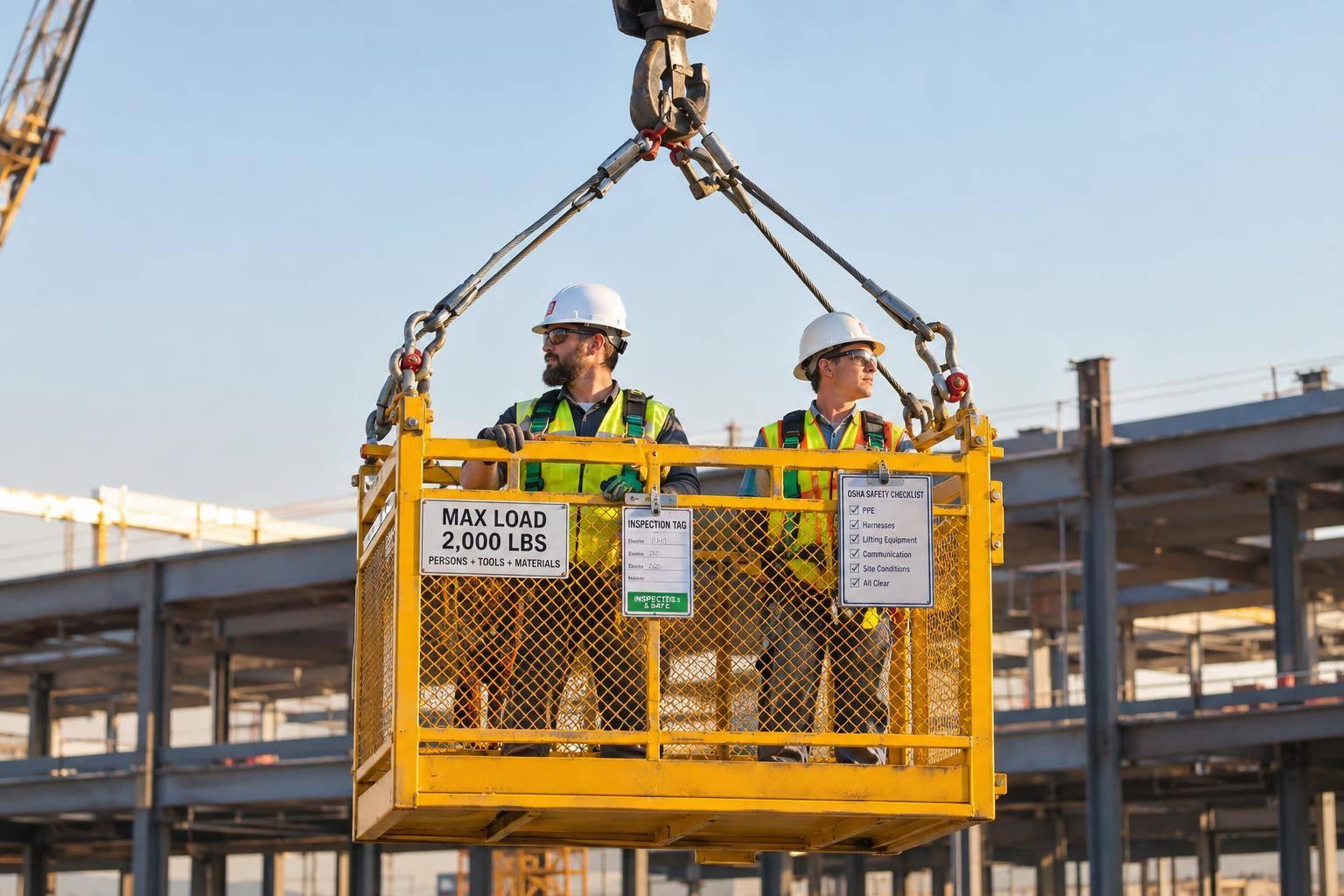
Man Basket Safety Standards: OSHA Guidelines
OSHA checklist for crane-hoisted man baskets: design, proof tests, trial lifts, fall protection, training, and rescue plans.
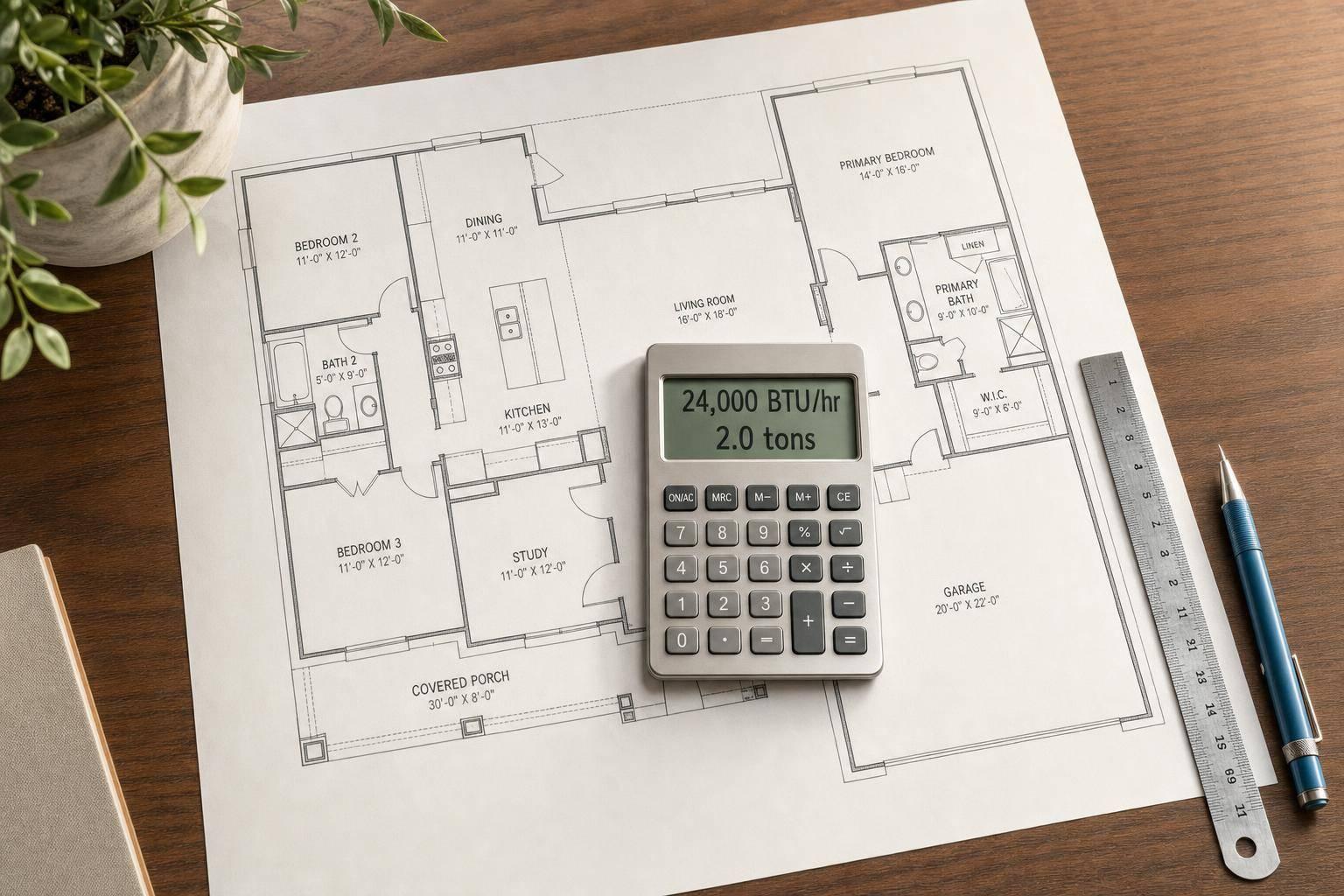
HVAC Tonnage Calculator
Estimate AC size in BTU/hr and tons using area, climate, insulation, and more—then compare your result with practical unit size ranges.
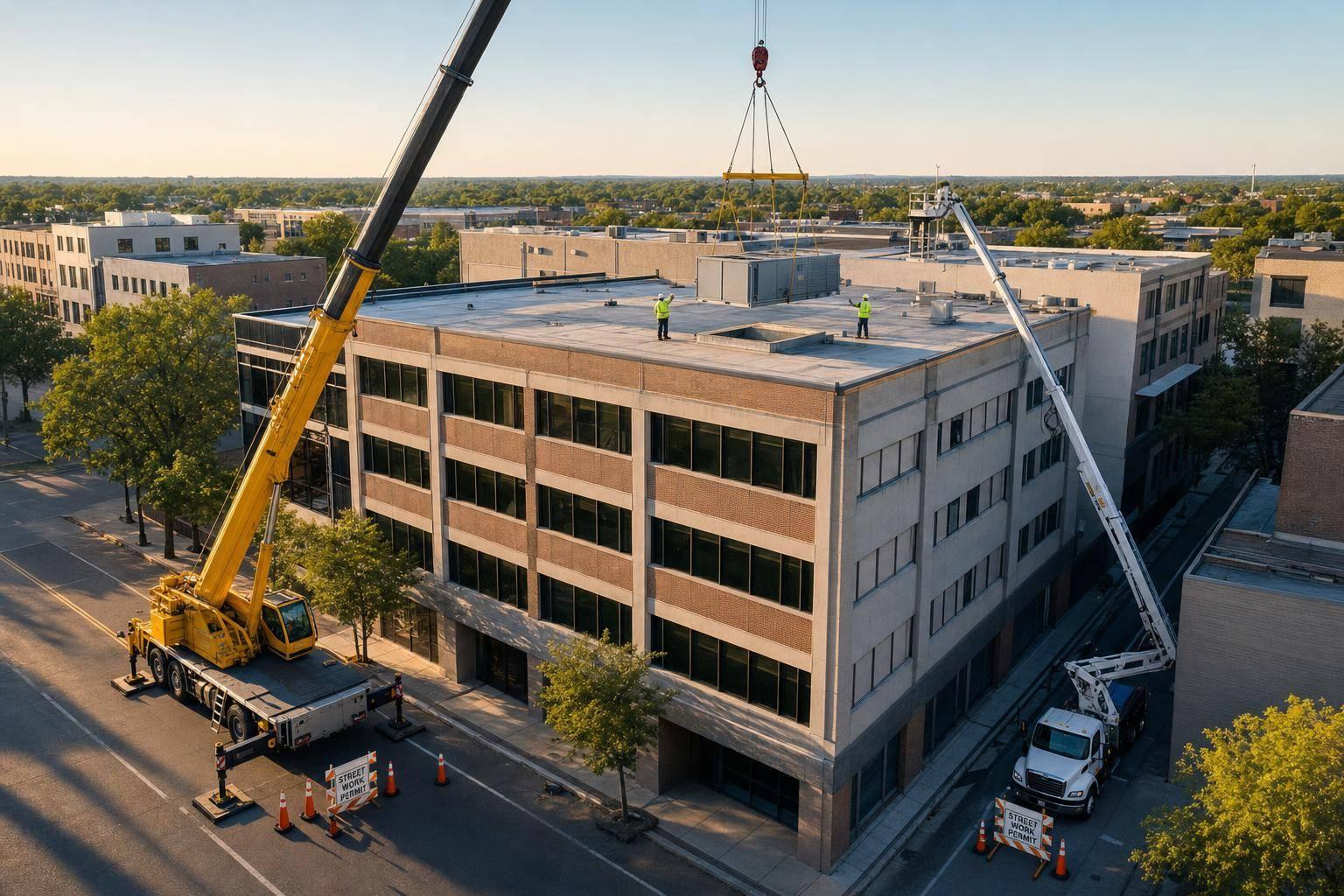
Crane vs Boom Truck for HVAC Lifting
Compare boom trucks vs mobile cranes for rooftop HVAC lifts—weight, height, working radius, site access, permits, and true job cost.